







Nursery clothes that build dressing independence
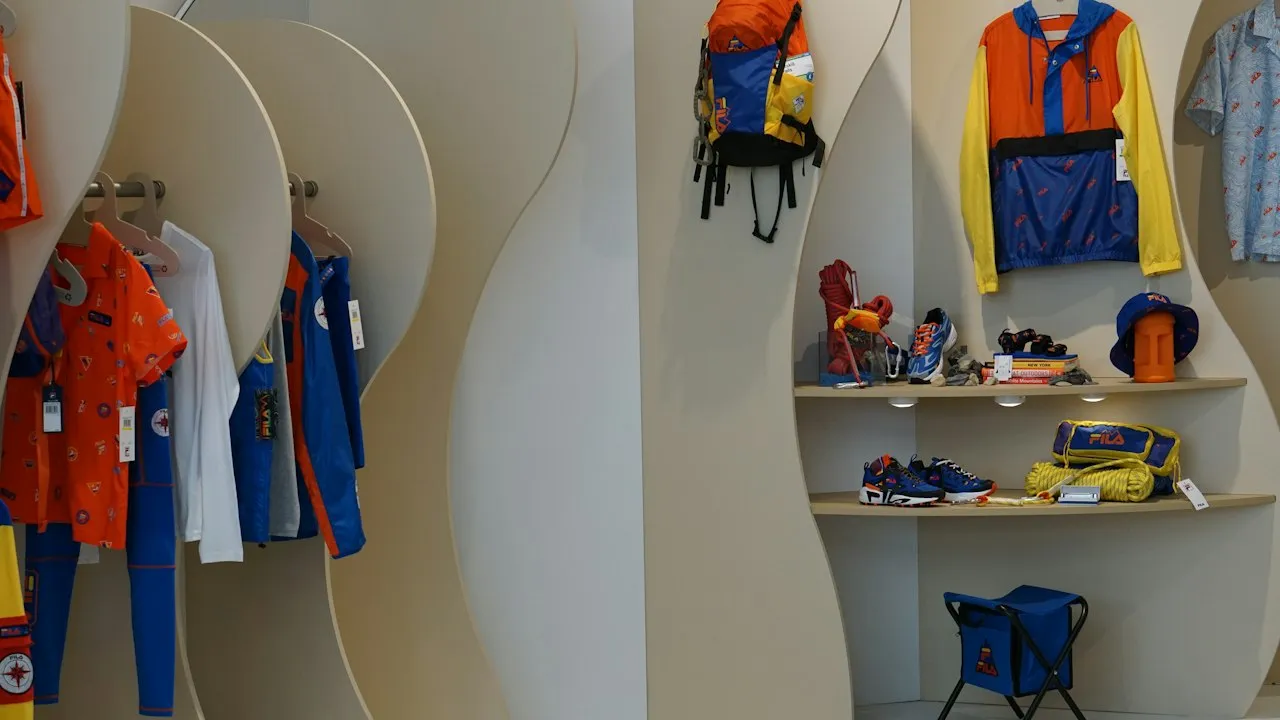
Nursery is full of small transitions: arriving, hanging up a coat, changing for outdoor play, washing paint from hands, and getting ready for home. Clothing can either slow these moments down or help your child take part with growing confidence. Easy-to-dress children’s clothing supports self-care without sacrificing comfort, personality, or a neat appearance.
Independent dressing builds everyday confidence
Learning to pull on trousers, find the front of a T-shirt, or close a jacket gives nursery-age children a meaningful sense of capability. These tasks develop fine motor control, body awareness, sequencing, and patience. They also give children a chance to make simple decisions, such as choosing a cardigan when the room feels cool.
Independence does not mean expecting a young child to manage every fastening immediately. A nursery child may need help with a tricky zip, small buttons, or a damp sleeve after water play. The aim is to provide clothes that offer achievable steps: pushing an arm through a wide sleeve, stepping into elasticated trousers, or fastening a large popper.
Nursery staff also benefit when children can manage more of their own dressing. At arrival, toilet visits, naps, and outdoor sessions, practical garments reduce waiting time and make routines calmer for the whole group.
Well-chosen clothing makes nursery routines smoother
A thoughtful nursery wardrobe should be practical, washable, and appealing enough that children enjoy wearing it. Parents looking for garments that combine a polished look with active comfort can browse raconte-moiunehistoire.fr. The site focuses on baby and children’s clothing designed for growing bodies, including everyday pieces and outerwear such as ponchos, pea coats, trench coats, and bombers. Looking across these options can help you consider layers, proportions, and fabrics that suit both the school run and energetic play.
Soft fabrics support movement and sensory comfort
Children spend much of a nursery day sitting on the floor, climbing, dancing, building, running, and resting. Fabrics should feel soft against the skin and stretch gently with movement. Cotton jersey, brushed cotton, flexible knitwear, and trousers with a little elastane are often reliable choices.
Avoid scratchy labels, stiff seams, or decorative details that may rub when a child sits cross-legged. If your child has sensory preferences, choose familiar fabric textures and check waistbands, cuffs, and neck openings before a busy nursery morning.
Comfortable clothes for nursery should also allow for temperature changes. Indoor rooms can become warm during active play, while outdoor areas may be cool or damp. Lightweight layers are easier for children and staff to add or remove than one heavy outfit.
Fastenings should match your child’s current skills
The best fastening is not always the quickest for an adult. For a child learning to dress, manageable features create opportunities to practise.
| Clothing feature | Why it works at nursery | Best use |
|---|---|---|
| Elasticated waistbands | Children can pull trousers up and down independently | Leggings, joggers, shorts, skirts |
| Wide neck openings | Make T-shirts easier to pull over the head | Everyday tops and sleepwear |
| Large zips with pull tabs | Easier to grip than small zip pulls | Hoodies, fleeces, coats |
| Popper fastenings | Simple pressing action, often easier than buttons | Cardigans, lightweight jackets |
| Velcro-style shoe straps | Support independent shoe changes | Trainers and nursery shoes |
| Adjustable cuffs or hems | Help garments fit through a growth period | Outerwear and dungarees |
Small buttons, complicated belts, and tight-fitting layers may look smart, but they can create frustration during toilet routines or rushed outdoor changes. Reserve them for occasions when adult help is readily available.
A small wardrobe can cover busy nursery days
You do not need an overflowing wardrobe to prepare for nursery. A compact rotation of durable children’s clothing makes laundry simpler and gives your child familiar items to practise with. Choose colours and prints that work together, so any clean top can pair with any clean bottom.
For most children, a useful starting point includes several soft tops, a few elasticated trousers or leggings, two warm layers, weather-appropriate outerwear, spare socks and underwear, and comfortable shoes. Keep one complete change of clothes at nursery, including underwear and socks, in a clearly labelled bag.
Choose playwear that can cope with mess
Paint, mud, glue, sand, lunch spills, and puddles are normal parts of early learning. Clothes do not need to be disposable, but they should tolerate frequent washing. Look for sturdy stitching, colourfast fabrics, and materials that can be washed without complicated care instructions.
Darker trousers may be practical for outdoor play, while patterned tops can disguise small marks during the day. For messy art sessions, nursery may ask for an old oversized shirt or protective smock. A good smock protects the outfit beneath while allowing sleeves and shoulders to move freely.
Plan layers for changing weather
Weather-ready dressing is especially useful when nursery children move between warm classrooms and outdoor spaces. Start with a breathable base layer, add a sweatshirt or cardigan, then use an outer layer suited to the season. A waterproof coat with a hood, or a lightweight showerproof jacket for milder days, can make outdoor time more enjoyable.
Check that coats are roomy enough to go over a jumper but not so bulky that your child cannot raise their arms. Practise hanging the coat on a hook at home, and show your child where their name label is placed.
Your nursery clothing checklist for confident mornings
A practical outfit supports a child’s body, independence, and enthusiasm for the day ahead. Before adding an item to the nursery rotation, consider these points:
- Can your child pull it on or off with some success?
- Does the fabric allow crawling, climbing, squatting, and running?
- Are the fastenings appropriate for your child’s current skills?
- Can the garment handle regular washing and everyday stains?
- Is it easy to layer for indoor warmth and outdoor weather?
- Does your child recognise it as their own and enjoy wearing it?
Nursery dressing can become a positive daily ritual
The right clothes turn dressing from an adult-led rush into a manageable learning opportunity. Give your child a little extra time, offer two suitable choices, and celebrate effort rather than perfection. With soft fabrics, flexible cuts, simple fastenings, and dependable layers, nursery clothing can help your child feel comfortable, capable, and ready to join the day’s play.