







How to build a family reading habit

Building a family reading habit can feel simple at first glance, yet many households struggle to keep it going beyond a few evenings. Busy schedules, tired children, competing screens, and uneven confidence levels all get in the way. Still, a shared reading rhythm can become one of the most rewarding parts of family life. It supports language growth, builds attention, and creates small moments of calm that children often remember for years.
Why family reading works so well
Reading together does more than help children recognise words. It builds a shared routine that gives books a natural place in the day. When children see reading as part of normal family life, they begin to treat stories, facts, poems, and picture books as familiar companions rather than schoolwork.
It strengthens connection
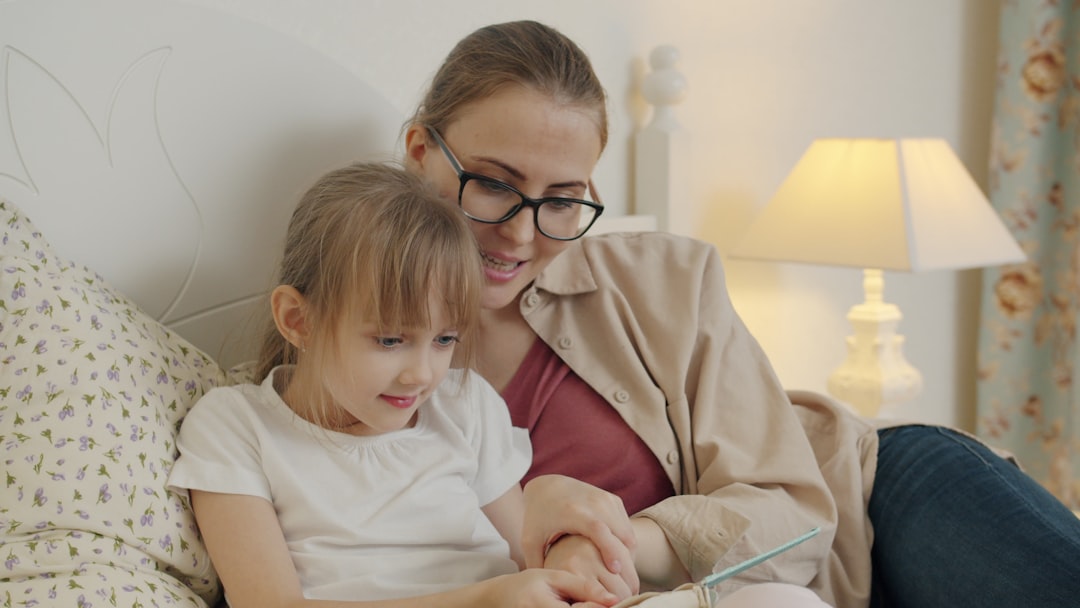
A book can become a bridge between adults and children. A short bedtime story or a chapter read after dinner gives everyone a shared focus. That shared attention often leads to conversation, laughter, and questions that may not surface in a busy day.
It supports early learning
Hearing language spoken with rhythm, expression, and repetition helps children notice patterns in words. For younger children, this can support vocabulary and listening skills. For older children, it can deepen comprehension and reading stamina. Families who create regular routines often find that literacy grows alongside confidence, much like the habits described in Everyday family routines that boost early learning at home.
Start with a routine you can actually keep
A family reading habit does not need to be long to be effective. Ten minutes every evening can matter more than a grand plan that never happens. The best routine is the one that fits your household’s real pace.
Choose a predictable moment
Many families succeed when reading is tied to an existing part of the day: after breakfast, before school, during the evening wind-down, or just before bed. A predictable cue removes the need to negotiate every time.
Keep the format flexible
Some days may call for one short picture book. Other days may suit a few pages of a longer story. Let the routine breathe. If a child is tired or distracted, reading one page with enthusiasm is better than forcing a full session. Consistency matters more than duration.
Make books easy to reach
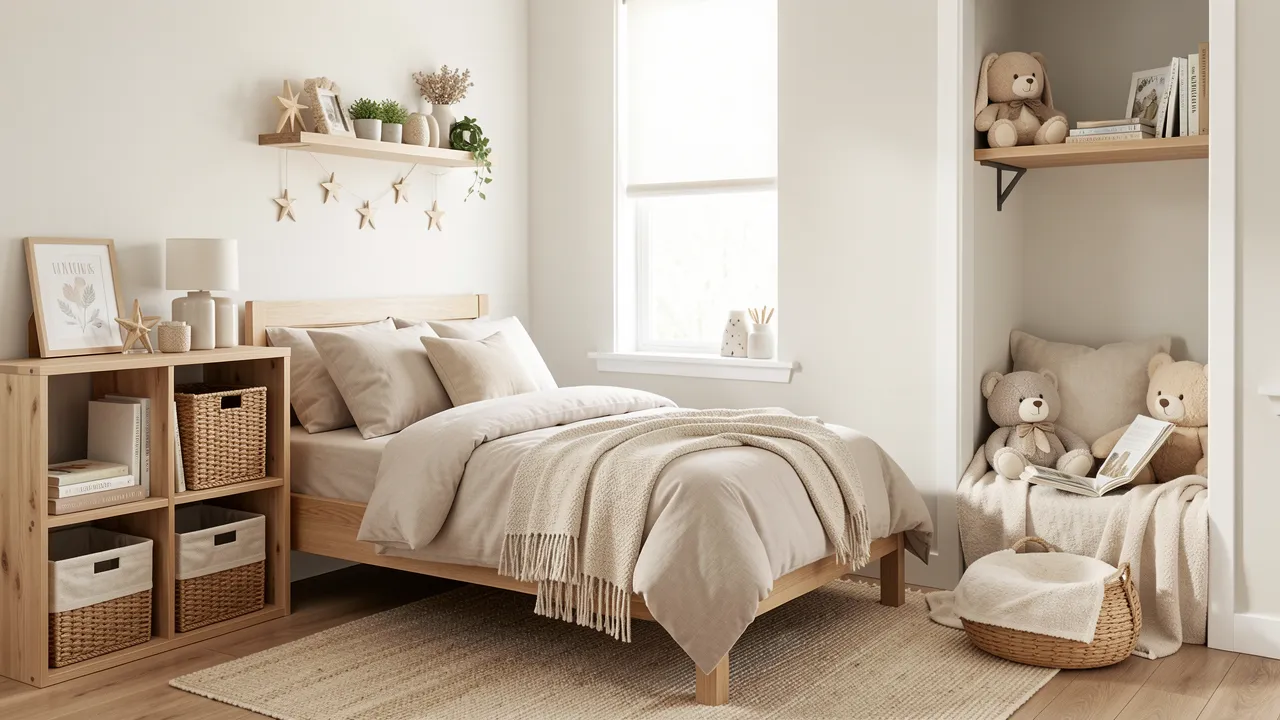
Children read more when books are visible and accessible. Keep a small basket in the living room, another near the bed, and perhaps a few books in the car. When books are part of the environment, they become part of the day.
Let children have a real voice in what gets read
Children are more likely to return to reading when they feel some ownership. A family habit becomes stronger when books are chosen with, not just for, the child.
Offer a wide range
Picture books, graphic novels, joke books, factual texts, poetry, and audiobooks all count. Some children will prefer stories; others will be drawn to animals, space, transport, or football. Variety keeps the habit fresh and avoids turning reading into a chore.
Revisit favourites without apology
Children often love repetition. A familiar story can build confidence because they know what happens next and can join in with key phrases. Re-reading also deepens understanding, which is why favourites are worth keeping on the shelf.
Follow everyday interests
If a child loves baking, use recipe books. If they are fascinated by insects, borrow nature books. When reading connects with real interests, motivation rises. Families who use playful, interest-led approaches often benefit from ideas similar to those in Play based learning ideas for busy UK parents.
Make reading interactive, not polished
Family reading does not need performance skills. In fact, a relaxed atmosphere often helps children engage more deeply.
Read aloud with expression
Vary your voice for different characters, pause for suspense, and enjoy the rhythm of language. Children usually care far less about “perfect” reading than about shared enjoyment. If you stumble over a word, simply pause and continue.
Ask light, open questions
Try prompts such as: “What do you think will happen next?” or “Why do you think that character felt upset?” These questions invite thinking without turning reading into a test. The goal is conversation, not assessment.
Let children retell parts of the story
Invite your child to predict, repeat, or finish a sentence. Older children may enjoy summarising chapters or comparing characters. This keeps them active in the process and helps comprehension grow naturally.
Build a home where reading feels ordinary
A family reading habit lasts when it feels woven into daily life, not reserved for special occasions.
Reduce pressure around reading level
Some children read aloud confidently; others need support. Avoid making family reading a public performance. You can read to your child, read with your child, or take turns. The shared experience matters more than who decodes each word.
Link books to play and conversation
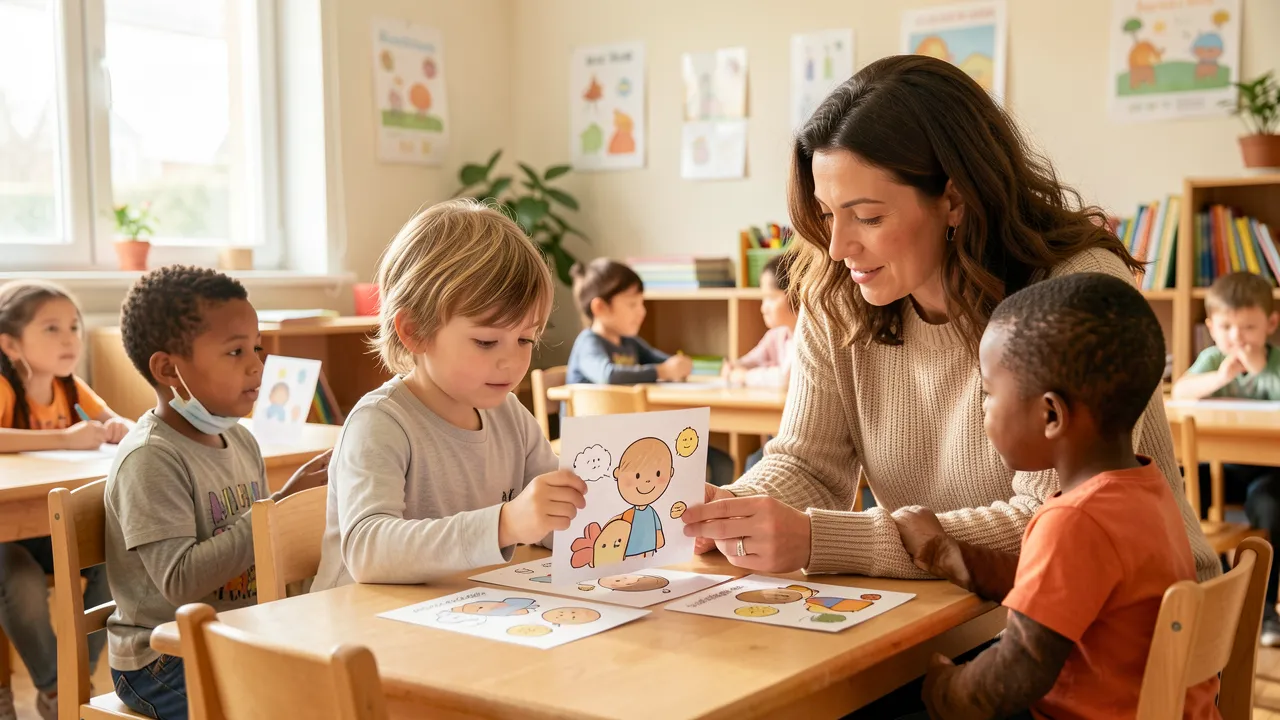
After a story, children might act out a scene, draw a character, or talk about a favourite moment over tea. These simple follow-ups help reading live beyond the page. Families who enjoy imaginative routines may also appreciate ideas from Play rich reception classroom setup for UK EYFS.
Protect the habit from perfectionism
There will be evenings when reading does not happen. That is normal. The aim is not flawless attendance; it is returning to the routine again and again. A habit survives because it can bend without breaking.
Small choices that make a big difference
A few practical adjustments can make the habit easier to maintain:
- Keep a mix of short and longer books available.
- Read at the same time most days.
- Let children choose at least some of the books.
- Use books connected to current interests.
- Re-read favourites as often as needed.
- Keep sessions short when the day has been busy.
- Celebrate attention and curiosity, not only correct reading.
These small actions lower resistance and help reading feel like a normal family pleasure rather than a task to complete.
A lasting routine your family can return to
A strong family reading habit grows through repetition, choice, and warmth. It does not depend on expensive materials or advanced methods. It depends on showing children that books have a place in everyday life, and that reading together is a way of spending time, not just covering pages. When you keep the routine manageable and enjoyable, reading becomes something your family can return to again and again, year after year.