








How children develop an emotional vocabulary
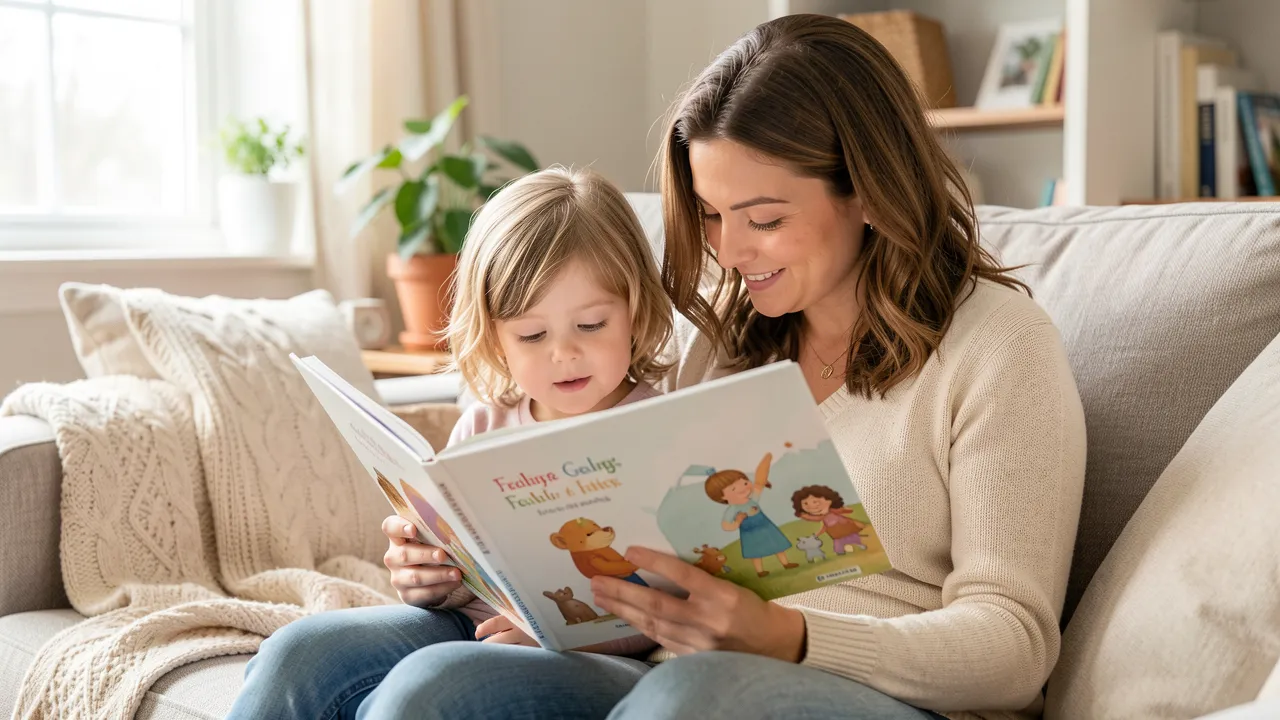
Emotional vocabulary is the set of words children use to recognise, describe and communicate feelings. It includes familiar terms such as “happy”, “sad” and “angry”, as well as more precise language such as “disappointed”, “worried”, “jealous” or “overwhelmed”. As children gain these words, they become better able to ask for help, understand others and recover from difficult moments. You can support this development through ordinary conversations, shared play and calm responses to strong emotions.
Children first learn emotions through relationships
Long before children can name feelings, they notice facial expressions, tone of voice and body language. A baby may respond differently to a relaxed smile than to a tense voice. Toddlers gradually connect these social signals with simple labels when adults repeat them in meaningful moments.
For example, when a child cries after a tower falls, you might say, “You look frustrated. You worked hard on that tower.” This gives the feeling a name without dismissing it or rushing to solve the problem. With repetition, children begin to connect the word “frustrated” to the physical and emotional experience.
This process is often called co-regulation. At first, children borrow an adult’s calm voice, reassuring presence and language. Over time, they can use similar words and strategies independently. A child who once shouted or hit may eventually say, “I am cross because I wanted a turn.”
Your response does not need to be lengthy. Short, accurate phrases are usually easiest for young children to absorb:
- “You seem disappointed that the game ended.”
- “I can see you are nervous about meeting someone new.”
- “That surprise made you excited.”
- “You are proud because you kept trying.”
Everyday routines create natural language practice
Emotional vocabulary grows best when it appears throughout the day rather than only after a conflict. Mealtimes, getting dressed, travelling, bedtime and returning from school all offer opportunities for gentle conversation.
You might ask, “What was one feeling you had today?” If that question feels too broad, offer choices: “Were you pleased, worried, annoyed or something else?” Children often need a selection of words before they can identify their own experience.
Regular routines also help children predict what will happen next, which can reduce stress and make emotions easier to discuss. The ideas in Everyday family routines that boost early learning at home can help you build small moments of connection into familiar parts of the day.
When speaking about your own feelings, keep the language honest and proportionate. “I am a little stressed because we are running late, so I am taking a slow breath” models that emotions are manageable. It also shows that adults have feelings without making the child responsible for fixing them.
Stories give children words for complex feelings
Books offer a safe distance from difficult emotions. A child may find it easier to talk about a character who feels left out than to admit they felt lonely at school. Pause during a story and ask open questions: “How do you think she feels?” or “What might help him feel safer?”
Avoid treating every answer as a test. If your child says a character is angry when the picture suggests sadness, ask what they noticed. They may be responding to the character’s clenched fists, loud voice or earlier events in the story.
A broad reading routine exposes children to emotional situations they may not encounter every day. How to build a family reading habit offers practical ways to make shared reading a consistent and enjoyable part of family life.
As children mature, introduce words that distinguish similar feelings. “Sad” can become “lonely”, “disappointed”, “grief-stricken” or “left out”. “Angry” can include “irritated”, “jealous”, “resentful” or “outraged”. There is no need to teach these terms as a list. Use them when they genuinely fit the moment.
Play allows children to rehearse emotional language
Pretend play gives children room to try out feelings, roles and solutions. Dolls, puppets, small figures and role-play games can all prompt emotional conversations. A toy may be “scared of the doctor” or “cross because nobody listened”. You can join in by offering language, while allowing your child to lead the story.
Creative activities work in a similar way. During drawing, you might ask, “What colour matches the feeling in your picture?” A child may not use the same associations as you, and that is fine. The purpose is expression, not a correct answer.
Children also need support when strong feelings affect behaviour. Naming an emotion does not mean accepting harmful actions. You can say, “You are furious that the block fell down. I will not let you throw it at your brother. We can stomp our feet or rebuild it.” For classroom-based approaches that balance warmth and boundaries, see Nurturing positive behaviour in early years classrooms.
Mistakes and setbacks can expand emotional understanding
Children often meet new emotions when something feels difficult. Homework, competitions, friendship problems and new responsibilities can bring embarrassment, self-doubt or frustration. Rather than immediately reassuring a child that everything is fine, acknowledge the experience first.
Try saying, “It sounds like you feel stuck and discouraged. Shall we take a break, then choose one small part to start?” This approach respects the feeling while keeping the focus on a next step. Helping children manage homework frustration provides further guidance for supporting children through learning-related stress.
Be patient with emotional outbursts. A child may know the word “angry” when calm but lose access to it when overwhelmed. Your calm repetition builds familiarity: “Your body is telling me this feels too much right now.” Later, once everyone has settled, you can revisit what happened and identify other words that may fit.
Emotional language becomes a lifelong tool
A rich emotional vocabulary does not prevent sadness, anger or worry. It gives children a clearer way to understand these feelings and communicate what they need. Small, repeated conversations are more useful than one serious discussion.
Keep these principles in mind:
- Name feelings as they happen, using simple and accurate language.
- Accept emotions while setting limits on unsafe behaviour.
- Use books, play and daily routines to introduce new words naturally.
- Share your own feelings calmly, without placing adult burdens on your child.
- Return to difficult moments after calm has returned, when reflection is easier.
- Praise children when they use feeling words to express a need or solve a problem.
With supportive adults around them, children learn that feelings are not problems to hide. They are signals that can be noticed, named and handled with growing confidence.