

How to create a safe homework corner at home
A dedicated homework corner can make after-school routines calmer, but furniture and stationery should come after a basic room check. A desk placed on a cold floor, beside a damp wall or under unreliable lighting soon becomes uncomfortable. Before you invite your child to use the space each day, assess the room as a small home improvement project: safe, dry, warm, well lit and easy to maintain.
Start by checking whether the room is ready for daily use
Walk through the proposed study area at the time your child will usually work there. Notice cold spots, outside noise, awkward door movement and whether daylight creates glare on a screen or workbook. A spare bedroom may need only minor adjustments, while a garage conversion or underused utility room can need more careful inspection.
Test the floor by walking slowly across it in socks and shoes. Movement, squeaks, soft patches or noticeably uneven areas can affect a desk chair and create a trip hazard. Look closely at skirting boards, window corners and external walls for staining, mould, bubbling paint or a musty smell. These signs point to moisture that should be addressed before adding bookshelves, rugs or storage units.
For practical advice on diagnosing issues such as peeling finishes, damp marks and room repairs, view this article. Renovation guidance is particularly useful when you need to distinguish surface wear from moisture entering through a wall, roof, window frame or floor. Repairs that only cover the visible damage can trap the underlying problem and lead to recurring stains or mould.
Use a simple room-by-room assessment
The table below can help you decide whether a task is suitable for a careful DIY repair or needs outside support.
| Area to inspect | What to look for | Suitable first action | When to seek professional advice |
|---|---|---|---|
| Floor | Loose boards, dips, cold surfaces, damaged carpet | Secure a loose threshold, add a non-slip rug, fit underlay where appropriate | Soft subfloor, widespread movement, suspected rot or damaged concrete |
| Walls and paint | Flaking paint, bubbles, mould, damp patches | Clean surface mould carefully, improve airflow, scrape and repaint only after the wall is dry | Repeated dampness, spreading mould, salt deposits or leaks |
| Lighting | Dark desk surface, glare, exposed fittings | Add a stable desk lamp and adjust blind position | New wiring, faulty sockets, flickering circuits or damaged light fittings |
| Door and windows | Door catches, draughts, difficult locks | Tighten hinge screws, fit draught seals, lubricate hardware | Swollen frames, cracked glass, major alignment problems or security concerns |
| Ventilation | Condensation, stale air, musty odour | Open windows regularly and keep vents unobstructed | Persistent condensation, extractor failure or mould returning after cleaning |
Repair comfort problems before adding study furniture
Small repairs can make a substantial difference to how willingly a child uses the space. Start with draughts. A brush strip at the bottom of a door, adhesive seals around a window and curtains that close properly can reduce cold air. Keep radiators, air vents and heaters clear of books, bags and furniture.
A chilly floor deserves attention, especially in ground-floor rooms and garage conversions. A thick rug with a non-slip backing can improve comfort, but it will not solve moisture or serious heat loss. If the room remains cold despite heating, investigate insulation beneath the floor or within the conversion structure. Professional assessment is sensible where a floor feels damp, has visible damage or sits directly over an uninsulated concrete slab.
Peeling paint needs a measured response. First identify the cause: condensation from poor ventilation, a leaking gutter, a plumbing issue or moisture penetrating an external wall. Once the source has been repaired and the area is fully dry, remove loose material, prepare the surface and repaint with a suitable finish. Do not place a tall bookcase against a wall that shows active damp, as restricted airflow can worsen the problem.
A sticking door may seem minor, yet it matters in a room used daily. Check whether loose hinge screws, a swollen door edge or an uneven floor is causing the issue. Sanding a slightly swollen edge can be a manageable task, but a door that suddenly catches after a change in the building may require investigation.
Build a child-friendly setup once the room is sound
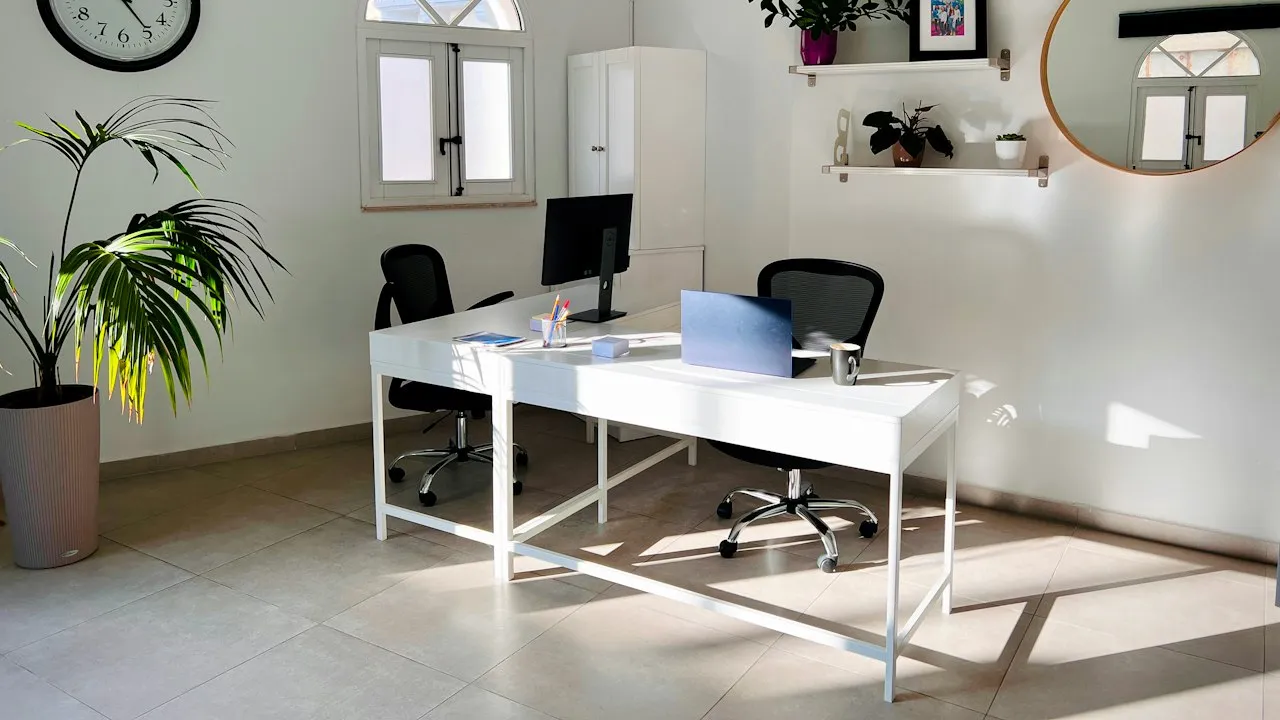
When the room itself is comfortable, arrange the homework corner around your child’s everyday tasks. Position the desk where daylight comes from the side rather than directly in front of or behind the work surface. This reduces glare and shadows. Add an adjustable lamp that directs light onto paper without shining into the child’s eyes.
Choose a chair that supports the back and allows feet to rest on the floor or a stable footrest. The desk does not need to be expensive, but it should be steady and deep enough for books, writing and, if needed, a laptop. Keep cables contained with clips or a cable box, and never overload extension leads.
Storage should make tidying easy. A small drawer unit, labelled trays and a vertical file holder can prevent the desk from becoming a dumping ground. Place heavy supplies on low shelves and secure tall furniture to the wall, particularly in rooms used by younger children.
Give the space a routine, not just a purpose
A homework corner works best when it has predictable boundaries. Keep school materials within reach, but store toys and distracting devices elsewhere during study time. A visible weekly planner can help your child prepare for upcoming tasks without covering every surface in reminders.
If the room is shared, use a portable basket for each child’s books and stationery. This allows the desk to serve family needs while preserving a familiar setup for learning.
Create a safer and calmer place for everyday learning
A successful homework space begins with the condition of the room, not the colour of the desk. Before decorating, check for moisture, uneven flooring, draughts, poor ventilation and electrical concerns. Then create a setup that supports comfortable posture, clear lighting and straightforward organisation.
Key points to remember:
- Resolve damp and mould causes before repainting or moving furniture against the wall.
- Use rugs, draught seals and appropriate insulation measures to improve thermal comfort.
- Treat unstable floors, persistent leaks and electrical faults as professional matters.
- Position lighting to reduce glare and provide focused task illumination.
- Keep furniture stable, cables controlled and storage easy for children to use.
- Establish simple routines so the space remains ready for learning each day.