







Designing a play rich reception classroom environment
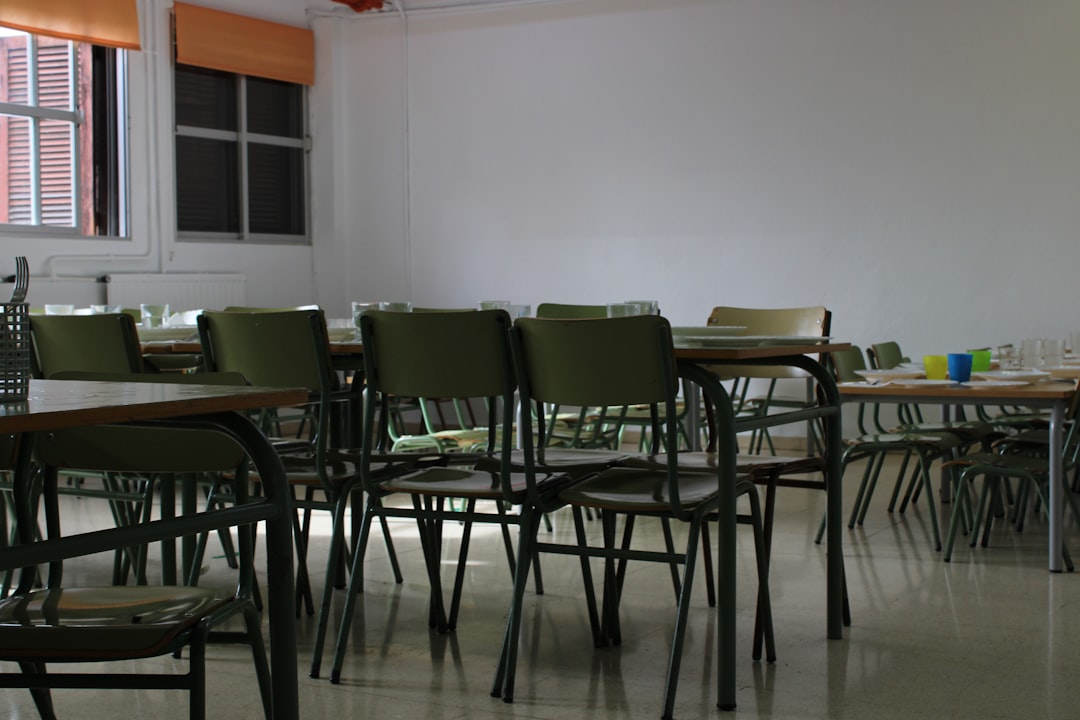
Designing a play-rich Reception classroom is a joyful challenge. I open by celebrating the interplay between continuous provision, the UK EYFS framework, and truly child-led learning. Je believe a well-planned environment transforms everyday play into measurable learning, sparks curiosity and supports language, physical development and social skills from the very first term.
Core principles of a play-rich Reception environment
Creating purposeful learning zones for continuous provision
A classroom organised into clear, purposeful zones (construction, role-play, creative, reading, mark-making, maths, small-world) invites sustained engagement. I recommend arranging areas so children can access resources independently; low storage, labelled baskets and consistent layout across weeks reduce cognitive load and foster autonomy. For example, a cosy reading nook with tactile cushions and a rotating book display encourages repeated reading and language development without adult prompting.
Designing for exploration and risk-taking
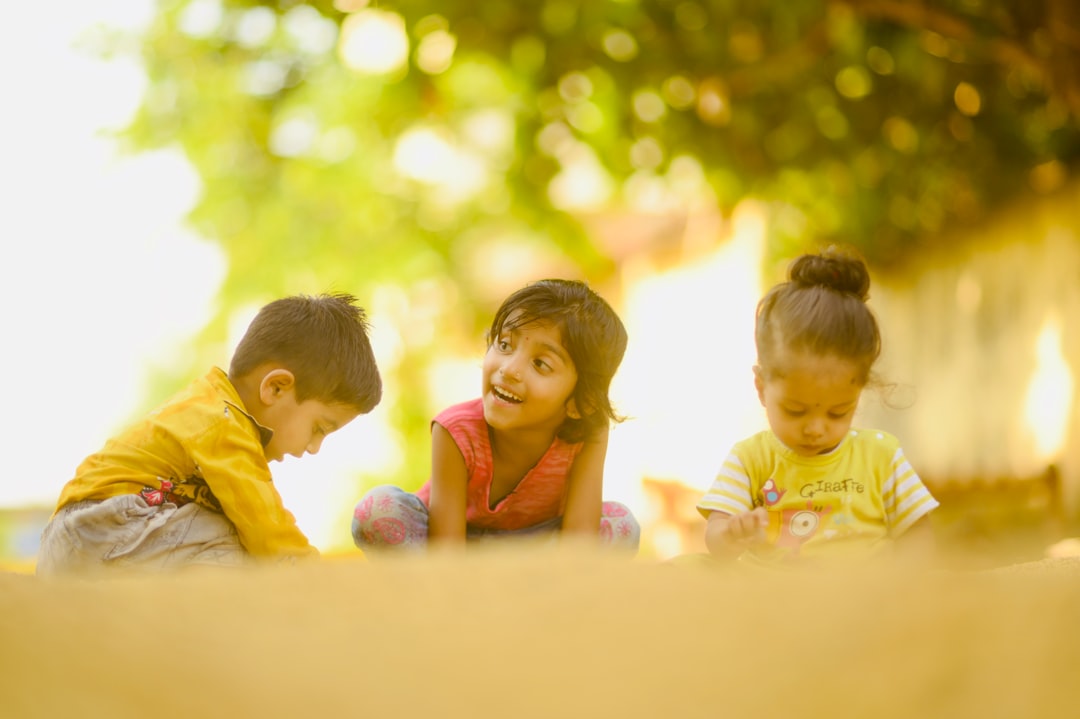
Children learn by testing boundaries. Je encourage materials that invite experimentation: loose parts, natural resources, open-ended construction kits. These elements promote creativity and problem-solving. Place materials at child height and include safe tools—scissors, real tape dispensers—to develop fine motor control and decision-making. Supervision is gentle and observational rather than directive.
Practical classroom setup aligned with UK EYFS
Resource rotation and continuous provision planning
A strong continuous provision plan maps resources to the Prime and Specific Areas of learning. Rotate provocations weekly to maintain novelty while keeping staple resources constant. For instance, pair a maths tray of wooden counters with a role-play shop to integrate counting. Je create a visible rota for adults so observations, resourcing and risk assessments remain consistent.
Furniture, flow and accessibility to support independence
Flexible furniture supports changing group sizes and child-led projects. Low shelving, labelled trays and clear sightlines help adults observe and children self-select. Arrange pathways wide enough for bikes or pushchairs and create small alcoves for quiet reflection. Accessibility is not an afterthought: differentiated heights and multilingual labels support inclusion and emerging literacy.
Teaching approaches that elevate child-led learning
Adult role: scaffold, observe, extend
In a play-rich room, adults act as skilled scaffolds. Je model new vocabulary, introduce challenges and extend play with carefully timed interactions rather than taking over. Use focused observations to identify children’s next steps, then plant targeted provocations. For example, after noting a child’s interest in patterns, introduce beads and pattern cards to deepen mathematical thinking.
Assessment through narrative and purposeful recording
Assessment should be woven into daily practice. Capture short narrative observations, photos and audio clips to document progress in communication, physical skills and personal, social and emotional development. Use these records to inform next-step planning and to share meaningful snapshots with families during open days or online learning journals.
Practical examples and classroom-ready ideas
Provocations that spark sustained play
- A treasure tray with magnifying glasses, shells and taxonomic cards for scientific curiosity.
- A home corner themed by season with recipe cards and role-play prompts to develop language and life skills.
- A maths-investigation table with everyday objects, scales and measuring tapes to promote real-world numeracy.
Je often suggest quick, low-cost tweaks: swap materials weekly, add a typed challenge card, or place a question on a table ("How many ways can you make five?") to nudge deeper thinking.
Supporting communication and language through environment
Embed labels, storytelling prompts and visual timetables across the room. Create a “word wall” with child-generated vocabulary from play sessions. Use puppets and small-world characters to model extended talk. These subtle cues transform routine play into rich language opportunities.
Engaging families and extending learning beyond the classroom
Home-school bridges and community connections
Invite families to contribute materials and cultural artefacts to role-play areas. Je propose family literacy bags or weekend challenge jars that encourage shared counting, story-making or observation tasks. Regularly share short, positive updates and suggestions for simple home activities that reinforce what was explored in class.
Celebrating progress and co-constructing goals
Host short, informal meetings to co-create learning targets. Share photographic evidence and ask families what they notice at home. This partnership values parental insight and strengthens continuity in child-led learning.
- Design zones that mirror EYFS prime and specific areas
- Use low storage, consistent layouts and clear labels for independence
- Rotate provocations while keeping core resources stable
- Adults scaffold through observation, modelling and well-timed interventions
- Document progress with photos, narratives and short assessments
- Involve families through resources, challenges and shared reflections
Key takeaways for a play-rich Reception classroom
I finish by stressing that a successful Reception space is responsive, inviting and deliberately arranged. Continuous provision provides the framework; child-led play supplies the engine. With intentional resource planning, thoughtful adult interactions and strong family partnerships, vous create a classroom where learning blooms naturally and joyfully. Je remain convinced that small environmental shifts yield big developmental gains — and that the most powerful lessons often arrive through play.
To compare concrete examples of timetables, zone layouts and family-communication approaches used in an EYFS infant setting, see the school-based illustrations at sunhillinfants.co.uk.